The kitchen is where tools meet technique, and nowhere is that extra transparent than inside the selection of cookware. In latest years, two names have stood out inside the world of hybrid nonstick pans: Cookcell and HexClad. Both manufacturers promise the most interesting of a number of worlds - the searing capability of stainless steel, the ease of nonstick, or even compatibility with induction cooktops. But relating to functional general use, does one in actuality outshine the alternative? I’ve placed either through their paces in a domicile kitchen that sees the whole thing from weekday eggs to ambitious weekend dinners.
What Makes Hybrid Pans Different
Hybrid pans attempt to resolve a established obstacle. Traditional stainless steel bargains attractive browning but will be unforgiving with tender meals or sticky sauces. Nonstick coatings make cleanup basic but fight at prime warmth and shortage toughness. The hybrid pan class tries to bridge this hole by way of bonding chrome steel with a nonstick floor, customarily by using lasered or etched patterns that create the two texture and feature.

Cookcell and HexClad are leaders the following, every single touting precise designs. They market themselves as “the remaining pan you’ll ever need,” but their similarities can masks worthwhile alterations whenever you get prior the vivid TV spots.
First Impressions: Unboxing, Build, and Feel
Let’s get started wherein so much chefs do: with heft and aesthetics. When I first unboxed a ten-inch Cookcell pan subsequent to its HexClad counterpart, countless things jumped out.
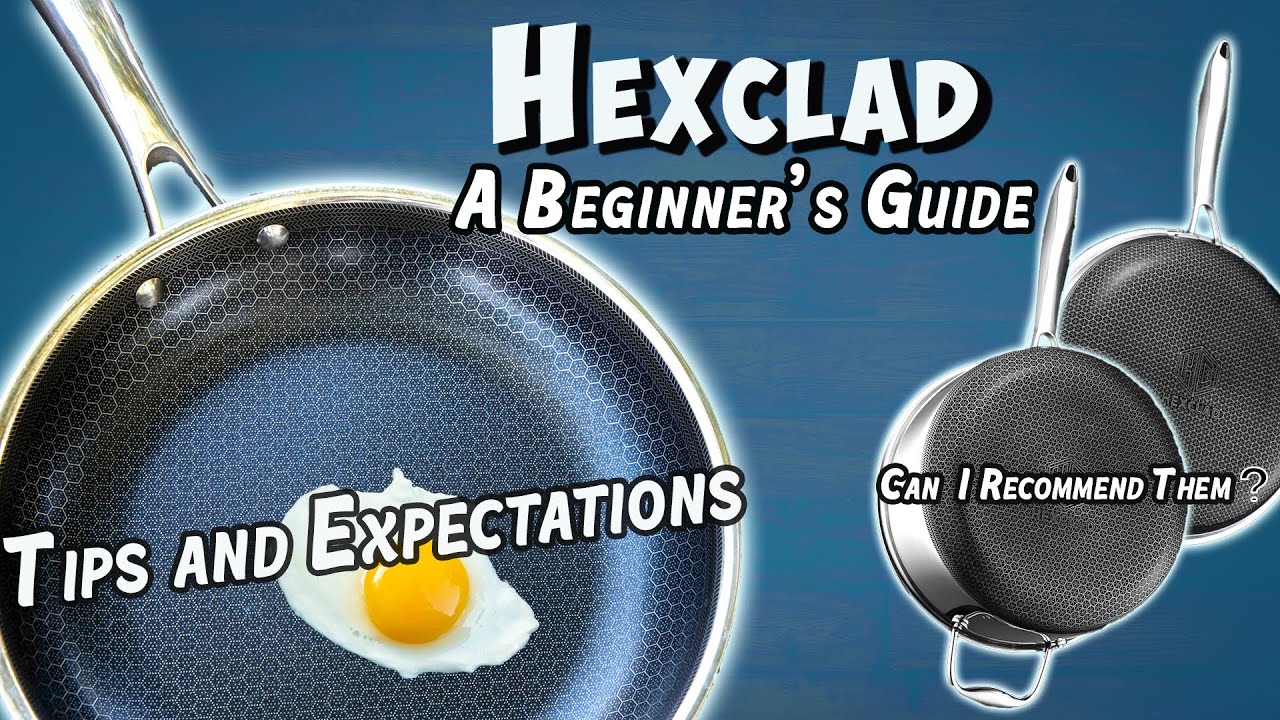
The Cookcell feels extensive in hand. Its triple-ply building ability weight with out clumsiness—believe good but balanced. The surfaces gleam with a hexagonal lattice development, not just for looks yet to permit oil to pool among peaks when foodstuff sits somewhat increased on metal ridges.
HexClad’s version appears to be like related firstly look but shows subtle differences up close. Its etched layout is sharper and extra stated, covering pretty much each bit of cooking surface properly as much as the rim—a element some chefs may just relish while saucing or flipping foods at the sting.
Both brands provide an undeniably top rate think in comparison to such a lot branch save fare, regardless that Cookcell’s take care of design edges ahead in comfort for longer stovetop periods.
Cooking Performance: Searing, Sauteing, Everyday Use
The proof is invariably in what lands on your plate. Over countless months I used both pans for breakfast eggs, weeknight fowl thighs, sautéed greens, even a couple of steaks pushed good earlier medium-rare.
Here’s where nuances emerge:
Cookcell’s surface releases nutrition impressively good out of the box. Fried eggs go with the flow off with minimal oil; pancakes flip cleanly devoid of tearing or sticking—a risk-free look at various for any so-often called hybrid pan. Searing proteins produces a golden crust owing to direct contact with steel ridges even though excess fat drains into recessed sections formed by way of the hex sample.
HexClad plays in addition with eggs and pancakes for the period of its honeymoon part yet in some cases requires extra oil as weeks cross. Proteins brown superbly because of extraordinary temperature distribution across its tri-ply base—no chilly spots detected—but very skinny fillets (like tilapia) oftentimes stick except preheated in moderation.
Where Cookcell pulls beforehand is consistency over time. After dozens of makes use of (and quite a https://holdenkpde210.raidersfanteamshop.com/cookcell-vs-hexclad-durability-face-off-for-everyday-cooks few journeys with the aid of my dishwasher), its foodstuff unlock continues to be steady as long as I dodge metal utensils. HexClad exhibits early wear on its nonstick valleys after repeated excessive-warm searing or if scrubbed aggressively.
Of route, neither may still be burdened with pure Teflon-flavor pans while you cook solely ultra-comfortable products like crepes each and every morning—they’re hybrids for a explanation why—however the two outperform usual chrome steel for everyday residence use.
Durability Under Real Kitchen Conditions
Marketing claims approximately “lifetime overall performance” are user-friendly; survival underneath exact kitchen rigidity is another subject fully.
I cook most days the use of gasoline burners that run scorching and fast throughout the time of dinner rushes—plus an induction hob for sensitive sauces or reheats on weekends. Here’s what stood out after months of returned-and-forth use:
Cookcell’s triple-layer construct shrugs off thermal shock properly—I’ve moved it from refrigerator-chilled parts immediately onto roaring flames with out noticeable warping or base distortion. The riveted handles stay cool ample for bare fingers until left rapidly over an open flame for extended intervals (a uncomplicated oversight). The etched development keeps its definition even after repeated scrubbing with nylon brushes.
HexClad also resists warping reliably but shows faint discoloration across the rim after heavy tomato-established recipes simmer on prime warmth—a only cosmetic problem so far yet well worth noting in case you care about pristine appears to be like years down the road.
Both claim dishwasher safety; genuine-international trip says yes—yet in simple terms whenever you evade stacking other heavy pots immediately inner them at some point of cycles given that scratches can accumulate directly in crowded racks.
Cleaning Up: Soap, Elbow Grease, Dishwasher Realities
No one buys area of expertise pans hoping they’ll changed into sink dwellers desiring soaking overnight. Luckily each Cookcell and HexClad are living as much as their low-protection reputations—up to some extent.
Cookcell rinses smooth under warm water after maximum nutrients; cussed bits elevate away with moderate soap and a gentle sponge. Even burnt-on cheese from an overzealous grilled sandwich came off with no drama after five minutes’ soak. Occasional smudges respond smartly to baking soda paste rubbed lightly onto stains—no desire for harsh chemical substances or scouring pads.
HexClad fits this ease firstly however begins requiring reasonably less attackable scrubbing as micro-scratches compile residue through the years—a minor annoyance instead of deal-breaker except you oftentimes cook dinner sticky-candy glazes or caramelize onions nightly.
Neither fares well against very aggressive steel scouring pads; both producers officially discourage them anyway in case you prefer warranties commemorated beyond your first year.
Compatibility: Stovetops and Ovens
For somebody juggling induction burners alongside classic gasoline or electric stoves—or relocating dishes from stovetop into oven mid-meal—compatibility matters more than ever.
Cookcell advertises wide compatibility: induction-ready bases as a result of magnetic stainless steel cores plus oven protection up to 500°F (260°C). I’ve transferred frittatas instantly from burner into oven broilers devoid of predicament—the handle grows hot above 400°F yet under no circumstances dangerously sizzling within validated limits.
HexClad suits those claims almost exactly: induction-equipped production, oven riskless (as much as 500°F), robust adequate for informal grill use provided direct flames don’t engulf plastic accents near tackle rivets—a rare state of affairs open air campfire cooking besides.
If your kitchen contains glass-topped degrees or turbo-cycling portable induction plates (accepted among residence dwellers), each participate in admirably with no damn or asymmetric heating throughout their flat bases.
Price Point vs Value Over Time
Sticker shock is true while all in favour of either logo—hybrid pans fee enormously greater than hassle-free nonsticks or entry-stage tri-ply stainless portions observed at mammoth field outlets. As of mid-2024:
- A known 10-inch Cookcell skillet retails between $ninety-$120 relying on promotions. The same length from HexClad lands between $a hundred thirty-$a hundred and eighty (infrequently bundled with lids).
Is that premium justified? For occasional cooks who rarely undertaking beyond scrambled eggs or Sunday bacon strips, most certainly not—the durability abilities becomes moot while you change cookware hardly ever besides.
But every day dwelling house chefs stand to profit authentic importance over years in view that more affordable nonsticks incessantly degrade within 12-24 months less than universal use—even turbo if exposed oftentimes to prime warm or dishwashers opposed to enterprise suggestions. Both Cookcell and HexClad to come back their items with multi-year warranties (limited lifetime assurance), which enables soften preliminary investment tension—simply hinder authentic receipts convenient considering that claims require evidence of acquire besides images documenting any defects.
Comparing Key Features Side by means of Side
Sometimes important points convey best aspect by means of aspect rather then lost in paragraphs:
| Feature | Cookcell | HexClad | |----------------------------|-----------------------------------|----------------------------------| | Surface Pattern | Etched hexagons w/ raised ridges | Laser-etched complete hex mesh | | Layers | Triple-ply | Tri-ply | | Oven Safe Temp | Up to 500°F | Up to 500°F | | Induction Compatible | Yes | Yes | | Dishwasher Safe | Yes (hand-washing liked) | Yes (hand-washing most well liked) | | Handle Comfort | Ergonomic & remains cool longer | Slightly heavier close rivets | | Food Release Longevity | Excellent | Good-to-just right | | Retail Price Range | $90–$a hundred and twenty | $a hundred thirty–$a hundred and eighty |
While these numbers assist prepare positive aspects at a look, every day nuance still topics most while matching pan decision with personal conduct.
Edge Cases That Matter: Stir-Fry Nights & Saucy Dishes
If you're keen on Asian-variety stir fry at blistering heat degrees using minimal oil—or ordinarilly finish dishes via deglazing fond into sauces—you’ll understand delicate differences among those manufacturers.
Cookcell’s fairly higher raised sample capability less direct surface location touching fragile proteins like shrimp in the course of quickly tosses; this allows curb sticking risk yet can suggest gentler browning in contrast to complete-touch stainless surfaces.
HexClad grips components more aggressively at prime warm because of the denser etching yet comes closer than many hybrids in taking pictures those flavorful browned bits left in the back of through seared pork cubes or sliced mushrooms.

For tomato-heavy recipes simmered lengthy enough for acids to interact with pan surfaces (think shakshuka or rooster cacciatore), neither suggests overt pitting after months—yet Cookcell resists discoloration more beneficial based on my possess trials.
Maintenance Tips From Real Experience
Whether you land on Cookcell vs Hexclad comes down in part to how a good deal fuss you are willing to tolerate post-dinner.
A brief list assists in keeping these hybrids buzzing:
Let pans cool solely beforehand washing; surprising temp swings shorten lifespan. Stick in many instances with gentle sponges; store abrasive pads in simple terms for actual emergencies. Avoid aerosol sprays which depart invisible residues that defeat even superior nonsticks. Store every one pan one after the other if probably; stacking accelerates wear on these difficult etched patterns. Re-season evenly each and every few months through rubbing a smear of neutral oil onto easy surface beforehand heating lightly—it supports guard slipperiness exceptionally after heavy dishwasher cycles.Verdicts From Daily Cooking
After months toggling among the two brands—and swapping suggestions with fellow dwelling house cooks—I’d sum up tradeoffs like this:
Cookcell provides somewhat bigger lengthy-time period nonstick efficiency exceptionally while you’re rougher on tools or rely closely on dishwashers throughout the time of busy weeks.
HexClad feels flashier out of the container and excels at crisp searing if you habitually cook proteins at max burner settings—however demands gentler healing over time lest food release slash swifter than envisioned.
For kitchens where versatility trumps all else—and magnificence isn’t sacrificed with the aid of inevitable floor patina—either will enormously outperform bargain-retailer choices furnished ordinary care laws are adopted.
Final Thoughts On Choosing Between Cookcell And Hexclad
If compelled in these days among shopping for a further piece from either lineup understanding what I recognize now? My money could side closer to Cookcell for its forgiving upkeep curve plus steady outcome meal after meal—even below careless arms wielding metallic tongs past due at evening.
That stated: passionate steak fanatics craving most crust would prefer HexClad’s sharper etching no matter marginally increased renovation wants.
Ultimately there’s no widely wide-spread winner—simplest smarter decisions matched thoughtfully in opposition t your possess cooking genre and habitual realities.
If “cookcell vs hexclad” has been circling your seek heritage although you stare down yet one more warped ancient skillet in your cupboard this night—which you can leisure more straightforward understanding that whichever course you decide will probable serve more effective nutrients tomorrow than yesterday’s worn-out pans ever might.